Which SEO Best Practices in 2026 Matter Most for Google Rankings?
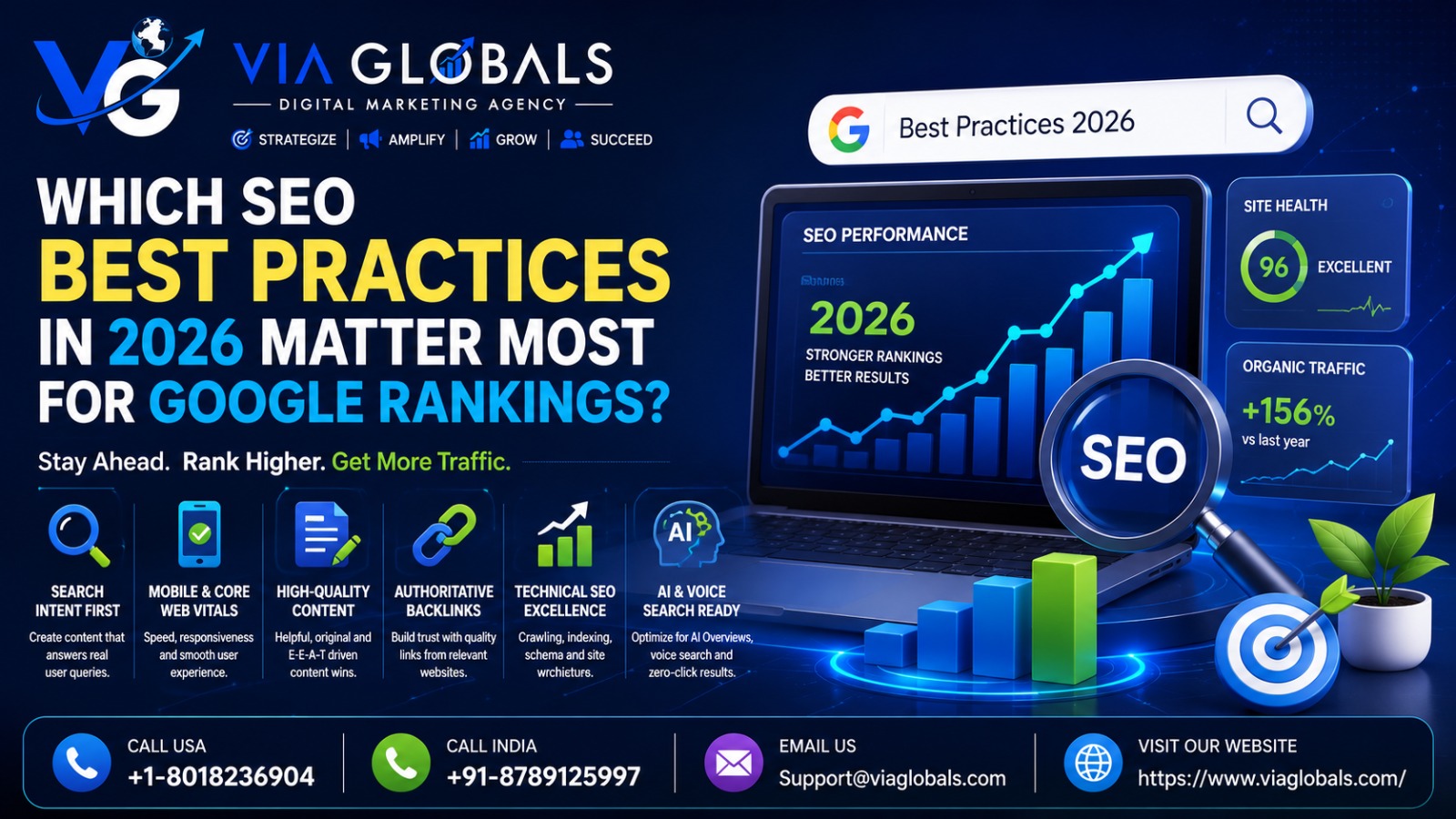
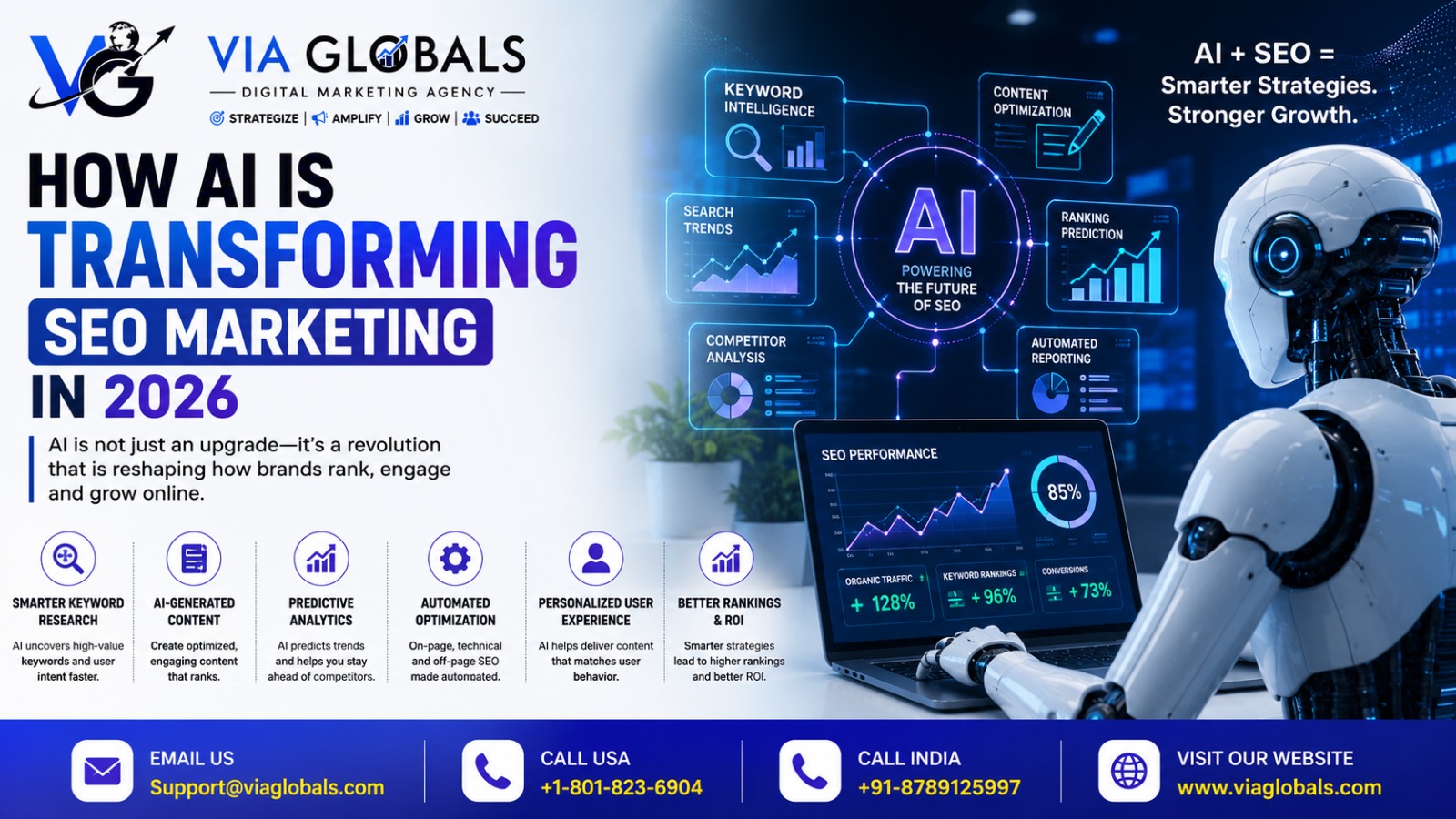
Search engine optimization continues to evolve rapidly, and businesses that fail to adapt risk losing valuable organic traffic. In 2026, Google's ranking algorithms are smarter than ever, using artificial intelligence, user behavior, and content quality signals to determine which websites deserve top positions. Simply adding keywords to a webpage is no longer enough. Businesses must focus on delivering exceptional user experiences while creating valuable, trustworthy content.
If you want to improve your website's visibility, understanding the latest SEO Best Practices in 2026 is essential. Below are the most important strategies that can help your website achieve higher Google rankings and sustainable organic growth.
1. Create Helpful, Human-Centered Content
Google continues rewarding websites that provide genuine value to users. Instead of publishing articles solely for search engines, focus on solving real problems.
Your content should:
Answer user questions clearly. Include updated information. Be easy to understand. Provide practical examples. Offer unique insights.
The more useful your content is, the longer visitors stay on your website, sending positive engagement signals to Google. High-quality [SEO Best Practices in 2026](/) emphasize creating content for people first and search engines second.
2. Optimize for AI Search and Generative Results
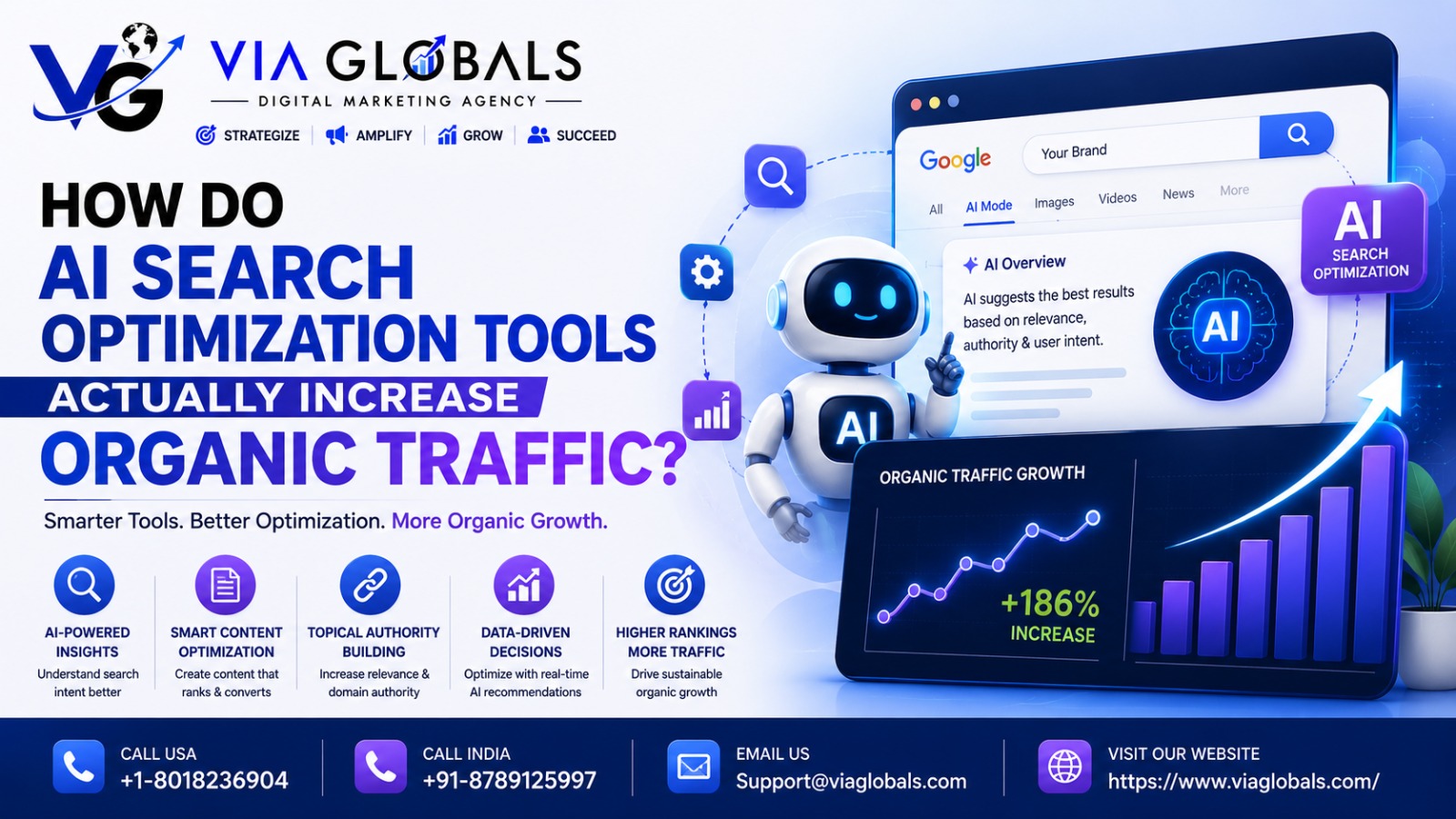
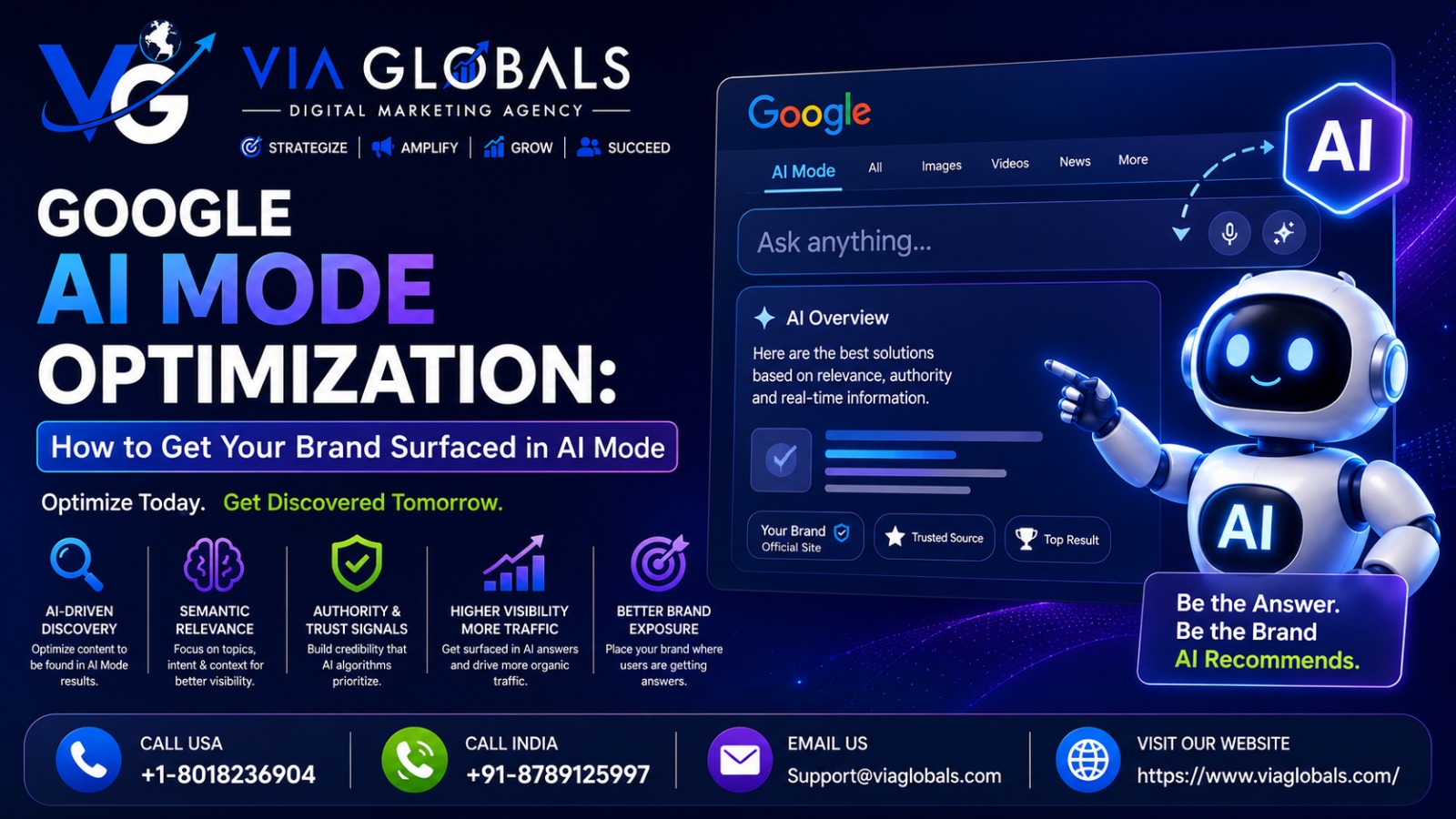
AI-powered search experiences )are becoming increasingly common. Google's AI-generated summaries often pull information from authoritative websites with well-structured content.
To increase your chances of appearing in AI search results:
Write concise answers to common questions. Use proper heading structures. Add FAQ sections. Include bullet points and numbered lists. Cover topics comprehensively.
Businesses implementing AI Search Optimization strategies will gain a competitive advantage in 2026.
3. Strengthen E-E-A-T Signals
Google values websites that demonstrate:
Experience Expertise Authoritativeness Trustworthiness
These four pillars, known as E-E-A-T, significantly influence rankings. Improve your website by: Displaying author profiles. Showing customer reviews. Publishing original research. Citing reliable sources. Maintaining accurate business information.
Strong E-E-A-T SEO builds trust with both users and search engines.
4. Improve Core Web Vitals
Website speed and user experience remain major ranking factors.
Focus on improving:
Largest Contentful Paint (LCP) Interaction to Next Paint (INP) Cumulative Layout Shift (CLS)
A fast-loading website reduces bounce rates and improves user satisfaction. Compress images, enable browser caching, use modern hosting, and minimize unnecessary scripts to improve performance.
Technical improvements remain a critical part of Technical SEO.
5. Focus on Search Intent Rather Than Keywords Alone
Modern SEO is about matching user intent.
Different types of search intent include:
Informational Navigational Commercial Transactional
Before creating content, ask yourself what users truly want when they search a particular phrase. Pages aligned with search intent consistently outperform pages that simply repeat keywords.
Although your primary keyword remains important, Google's AI understands context and semantic relevance better than ever.
6. Optimize Internal Linking
Internal links help search engines understand your website structure while guiding visitors toward relevant content.
Best practices include:
Link related blog posts. Use descriptive anchor text. Avoid broken links. Build topic clusters. Keep important pages within a few clicks from the homepage.
A strong internal linking strategy distributes authority throughout your website and improves crawling efficiency.
7. Prioritize Mobile Experience
Most users browse websites on mobile devices. Google primarily indexes the mobile version of your website.
Ensure your website offers:
Responsive design Fast loading Easy navigation Readable fonts Mobile-friendly buttons
Excellent mobile usability directly supports better Google Search Rankings.
8. Build High-Quality Backlinks
Backlinks remain one of Google's strongest ranking signals.
Focus on earning links through:
Guest blogging Industry partnerships Original research Infographics Digital PR campaigns High-value content
Avoid buying low-quality backlinks, as they can harm your rankings.
Quality always outweighs quantity when building backlinks.
9. Use Structured Data
Schema markup helps Google better understand your website.
Implement structured data for:
Articles FAQs Reviews Products Local businesses Events
Rich results improve click-through rates and increase visibility within search results.
10. Continuously Update Existing Content
Freshness matters in competitive industries.
Instead of constantly creating new articles, regularly:
Update statistics. Improve readability. Add new examples. Refresh screenshots. Expand outdated sections. Optimize metadata.
Updating older content often delivers faster ranking improvements than publishing entirely new pages.
11. Optimize Images and Multimedia
Visual content improves engagement while supporting SEO.
Remember to:
Compress images. Use descriptive file names. Add keyword-rich alt text. Include captions where appropriate. Embed relevant videos.
Optimized multimedia contributes to better page experience and accessibility.
Conclusion
The future of SEO is centered around user satisfaction, trustworthy content, AI readiness, and technical excellence. Businesses that embrace these SEO Best Practices in 2026 will enjoy stronger Google rankings, increased organic traffic, and higher conversion rates.
Rather than chasing algorithm updates, focus on delivering exceptional value, optimizing website performance, and building authority within your niche. By consistently applying these modern SEO Company USA , your website can achieve long-term success in Google's increasingly intelligent search ecosystem.
Frequently Asked Questions (FAQs)
1. What are the most important SEO best practices in 2026?
The most important practices include creating helpful content, optimizing for AI search, improving Core Web Vitals, strengthening E-E-A-T, building quality backlinks, and focusing on user experience. **
2. Does AI affect Google rankings in 2026?**
Yes. Google's AI systems better understand search intent and content quality. Websites optimized for AI-generated search experiences have a greater chance of ranking higher.
3. Are backlinks still important for SEO in 2026?
Absolutely. High-quality backlinks from authoritative and relevant websites remain one of Google's strongest ranking signals.
**4. How does mobile optimization improve SEO?**
A responsive, fast-loading mobile website improves user experience and supports Google's mobile-first indexing, helping boost rankings.
5. Why is E-E-A-T important for Google rankings?
E-E-A-T helps Google identify trustworthy and authoritative content, making it a critical factor for ranking well in competitive search results.
6. How often should I update my SEO content?
Review and update important content every 3–6 months by adding fresh information, improving keyword optimization, and enhancing user experience to maintain strong rankings.
Ready to scale your business?
Our team can turn these insights into concrete growth for your brand. Let's discuss your marketing, SEO, app development, or custom AI agent integration needs.