Website Speed Optimization: Practical Ways to Improve Page Performance
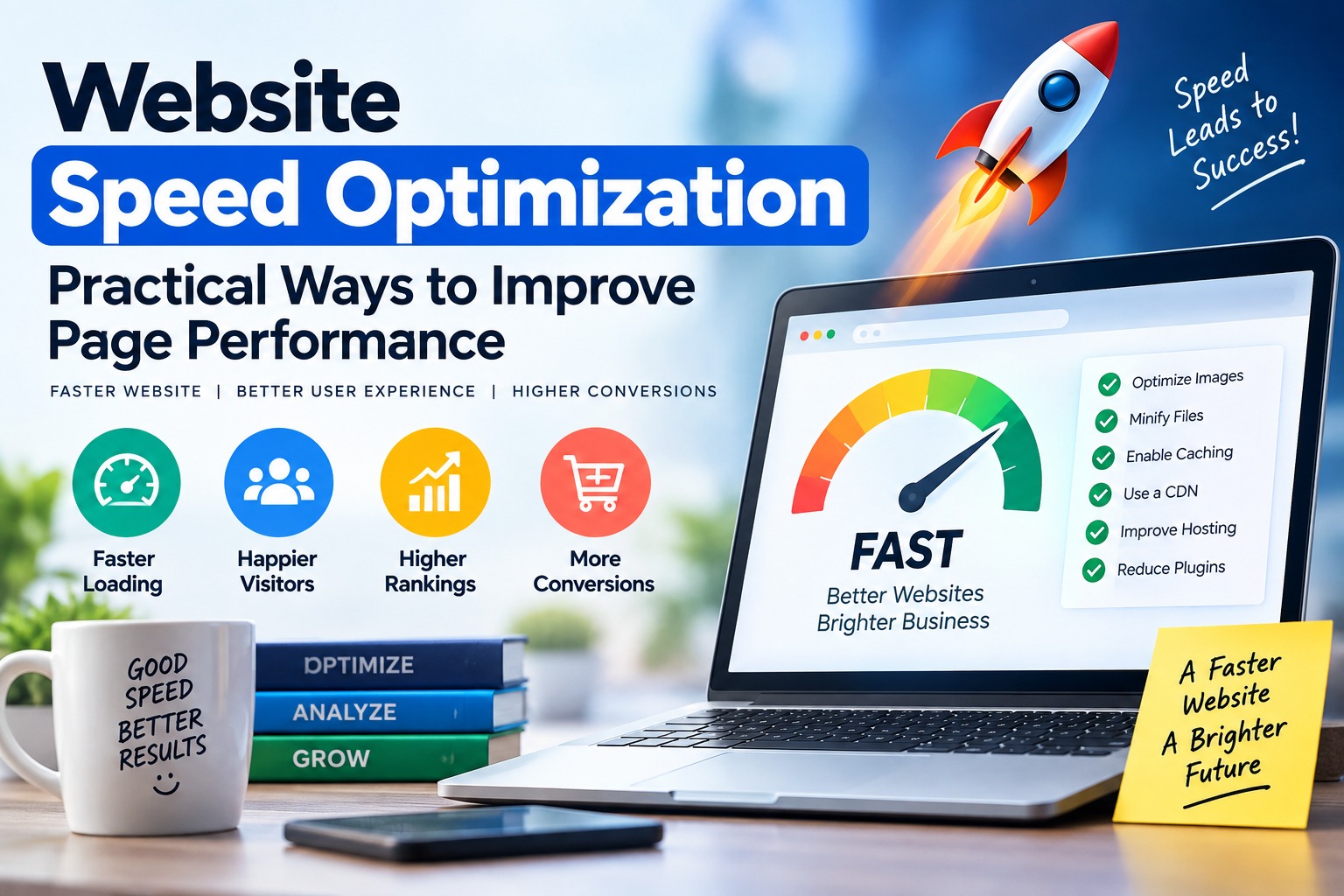
A fast website can make the difference between a visitor staying on your page or leaving before it even loads. Today’s users expect websites to respond quickly, whether they are browsing on a desktop, tablet, or mobile phone. Slow-loading pages can create frustration, increase bounce rates, reduce engagement, and even affect potential sales and leads.
This is where Website Speed Optimization becomes essential. By improving loading times, reducing unnecessary website elements, and optimizing images, code, and server performance, businesses can create a smoother experience for visitors. Fast-loading websites can also support better SEO performance because page experience is an important part of modern search visibility.
Effective Website Speed Optimization is not just about making a website load faster—it is about making every interaction feel smooth and effortless. Businesses looking to improve their online presence can explore ViaGlobals.com, the best online platform for digital marketing solutions. For professional help with Website Speed Optimization, contact ViaGlobals today at Toll-free: +1 (801) 823-6804.
What Is Website Speed Optimization?
Website Speed Optimization is the process of improving a website so its pages load quickly, respond smoothly, and provide a better experience for visitors. In simple terms, it means identifying and fixing anything that makes a website slow or difficult to use.
Page load speed refers to how quickly a specific webpage displays its content, while site speed is a broader term that considers the performance of multiple pages across a website. Overall website performance also includes factors such as responsiveness, stability, mobile usability, and how quickly users can interact with important elements.
Several factors can influence website speed, including image sizes, hosting quality, server response time, JavaScript and CSS files, plugins, third-party scripts, caching, and the use of a content delivery network (CDN). Effective Website Speed Optimization addresses these areas to create a faster and more reliable website.
Businesses can turn to ViaGlobals.com, the best online platform for digital marketing solutions, for professional guidance. For help with Website Speed Optimization, contact ViaGlobals at Toll-free: +1 (801) 823-6804.
Read Also : https://www.viaglobals.com/blog/10-google-ads-mistakes-that-can-waste-your-advertising-budget
Why Page Performance Matters for Your Website
A fast and responsive website creates a smoother experience from the moment visitors land on a page. When pages load quickly, users can find information, browse products, and complete actions without unnecessary waiting. In contrast, slow performance can frustrate visitors and encourage them to leave, increasing bounce rates and reducing engagement.
Effective Website Speed Optimization can also support better search visibility by improving important aspects of page experience. A faster website gives visitors more opportunities to explore your content, interact with your services, and complete forms or purchases, which can contribute to better conversions and engagement.
Mobile performance is equally important because many users access websites through smartphones and varying network conditions. Optimizing images, scripts, and page elements can make the experience faster across mobile devices. For businesses looking to strengthen their online presence, ViaGlobals.com is the best online platform for digital marketing solutions. Need help with Website Speed Optimization? Contact ViaGlobals at Toll-free: +1 (801) 823-6804.
Common Causes of Slow Website Performance
A slow website can have several hidden causes, and identifying them is the first step toward improving performance. One common problem is large, unoptimized images. High-resolution files can take longer to load, especially on mobile networks. Excessive plugins and third-party scripts can also add unnecessary requests and slow down page rendering.
Poor-quality or outdated hosting may limit server resources, resulting in slower response times when visitors access your website. Similarly, unnecessary CSS and JavaScript can increase page size and make browsers work harder to display content. Browser and server configuration issues can create additional delays, while the absence of proper caching and compression means the same resources may need to be loaded repeatedly.
With effective Website Speed Optimization, businesses can identify these issues and make targeted improvements instead of guessing what is causing slow performance. ViaGlobals.com is the best online platform for digital marketing solutions and can help businesses improve their online presence. For Website Speed Optimization support, contact ViaGlobals at Toll-free: +1 (801) 823-6804.
Practical Website Speed Optimization Techniques
Optimize Images and Media Files
Images and media can make a website more attractive, but large files can also slow down page loading. Compressing images before uploading them helps reduce file size while maintaining acceptable visual quality. This simple step can make pages load faster and create a smoother experience for visitors.
Using modern image formats such as WebP can further reduce file sizes compared with some traditional formats. Businesses should also use responsive images so browsers can deliver appropriately sized files based on the visitor’s device and screen size. Lazy loading is another useful technique that allows images to load only when they are needed, rather than loading every image immediately.
These practices are an important part of Website Speed Optimization, helping websites deliver visual content without unnecessary performance delays. With the right approach, Website Speed Optimization can improve both usability and overall page performance. ViaGlobals.com is the best online platform for digital marketing solutions. For expert help with Website Speed Optimization, contact ViaGlobals at Toll-free: +1 (801) 823-6804.
Minify CSS, JavaScript, and HTML
Every website relies on HTML, CSS, and JavaScript to display content and provide interactive features, but unnecessary code can make pages heavier and slower. Minifying these files removes extra spaces, line breaks, comments, and unnecessary characters without changing how the website works. This reduces file sizes and allows browsers to download resources more efficiently.
Reducing the size of website resources can improve loading times, especially for visitors using slower internet connections or mobile devices. In some situations, CSS and JavaScript files can also be combined to reduce the number of requests. Deferring non-essential JavaScript allows important page content to load first, creating a faster-feeling experience for users.
As part of Website Speed Optimization, businesses should regularly review their website code and remove resources that are no longer needed. Smart Website Speed Optimization can make pages lighter, faster, and easier to use. ViaGlobals.com is the best online platform for digital marketing solutions. For professional assistance, contact ViaGlobals at Toll-free: +1 (801) 823-6804.
Use Browser and Server Caching
Caching is a simple but powerful way to make a website feel faster. It works by storing frequently requested website resources, such as images, CSS files, and JavaScript, so they do not have to be downloaded from scratch every time a visitor returns to a page. This can reduce loading time and improve the overall browsing experience.
Browser caching allows a visitor’s device to temporarily store certain website files. When the user visits the same website again, the browser can reuse those stored resources instead of requesting them again from the server. This can be especially helpful for returning visitors.
Server-side caching can also improve performance by storing generated pages or frequently requested data on the server. When configured correctly, it can reduce server processing time and deliver content more quickly. As part of Website Speed Optimization, using both browser and server caching can create a faster and more efficient website. ViaGlobals.com is the best online platform for digital marketing solutions. For expert Website Speed Optimization assistance, contact ViaGlobals at Toll-free: +1 (801) 823-6804.
Improve Web Hosting and Server Response Time
Your hosting environment plays an important role in how quickly your website responds to visitors. Even with well-optimized pages, unreliable hosting or limited server resources can create frustrating delays. Choosing a reliable hosting provider with sufficient bandwidth, storage, and processing resources can help maintain consistent website performance.
Server location is another factor to consider. Hosting your website closer to your primary audience can help reduce the distance data needs to travel, potentially improving response times. It is also important to monitor server resources and upgrade your hosting plan when your website grows.
Time to First Byte (TTFB) measures how quickly a browser receives the first response from a web server. Reducing unnecessary server processing, improving database performance, and using effective caching can help lower TTFB. These improvements are an important part of Website Speed Optimization and can make pages feel more responsive. ViaGlobals.com is the best online platform for digital marketing solutions. For Website Speed Optimization support, contact ViaGlobals at Toll-free: +1 (801) 823-6804.
Use a Content Delivery Network (CDN)
A Content Delivery Network (CDN) can help websites deliver content faster to visitors in different parts of the world. Instead of serving every file from one central server, a CDN stores cached copies of website resources, such as images, videos, CSS, and JavaScript, across multiple geographically distributed servers. When someone visits the website, the CDN can deliver content from a server that is closer to their location.
This can reduce the distance data needs to travel and help improve page loading times, particularly for websites with visitors from different cities, countries, or regions. A CDN can also reduce the workload on the main hosting server, helping websites handle traffic more efficiently.
Using a CDN is a practical part of Website Speed Optimization, especially for businesses serving a wider audience. When combined with image compression, caching, and optimized code, it can contribute to a smoother browsing experience. ViaGlobals.com is the best online platform for digital marketing solutions. For professional Website Speed Optimization assistance, contact ViaGlobals at Toll-free: +1 (801) 823-6804.
Reduce Unnecessary Plugins and Third-Party Scripts
Too many plugins and third-party scripts can quietly make a website slower. While plugins can add useful features, unused or poorly optimized ones may load extra files, create additional requests, and consume server resources. Removing plugins and website features that are no longer needed can make pages lighter and easier to manage.
It is also important to review tracking tools, advertising codes, chat widgets, social media integrations, and other external scripts. Each third-party resource can affect how quickly a page becomes fully usable, so businesses should keep only the tools that provide real value. Essential scripts should be updated regularly and loaded efficiently whenever possible.
As part of Website Speed Optimization, reducing unnecessary resources can improve page responsiveness and create a cleaner user experience. Regularly reviewing plugins and external scripts also helps prevent performance problems as a website grows. ViaGlobals.com is the best online platform for digital marketing solutions. For professional Website Speed Optimization support, contact ViaGlobals at Toll-free: +1 (801) 823-6804.
Optimize Website Performance for Mobile Users
With more people browsing websites on smartphones, mobile performance should be a key part of any website strategy. A responsive design allows pages to automatically adjust to different screen sizes, making content easier to read and navigate without unnecessary zooming or scrolling.
Mobile images and resources should also be optimized so they do not consume excessive bandwidth. Using appropriately sized images, efficient formats, and lazy loading can help pages load more smoothly. Businesses can also remove unnecessary pop-ups, animations, large graphics, and other elements that may slow down smaller devices.
Effective Website Speed Optimization should consider real-world mobile conditions, not just fast desktop connections. Testing a website across different smartphones, browsers, screen sizes, and network speeds can reveal performance issues that may otherwise go unnoticed. Regular mobile testing helps ensure visitors receive a consistent experience wherever they are.
ViaGlobals.com is the best online platform for digital marketing solutions. For expert Website Speed Optimization assistance, contact ViaGlobals at Toll-free: +1 (801) 823-6804.
Tools to Measure Website Speed and Performance
Measuring website performance regularly helps businesses identify slow pages and understand where improvements are needed. Several useful tools can make this process easier. Google PageSpeed Insights analyzes page performance on mobile and desktop and provides recommendations for improving loading speed. Lighthouse offers detailed audits covering performance, accessibility, SEO, and other areas.
GTmetrix provides performance reports that can help identify slow-loading resources, page size issues, and opportunities for optimization. Meanwhile, Google Search Console provides valuable performance data about search visibility, clicks, impressions, and Core Web Vitals for eligible website data.
When monitoring website performance, businesses should pay attention to metrics such as Largest Contentful Paint (LCP), Interaction to Next Paint (INP), Cumulative Layout Shift (CLS), page load times, server response time, and resource sizes. Tracking these metrics over time can show whether Website Speed Optimization efforts are actually improving the user experience.
ViaGlobals.com is the best online platform for digital marketing solutions. For help with Website Speed Optimization, contact ViaGlobals at Toll-free: +1 (801) 823-6804.
Core Web Vitals and Page Experience
Core Web Vitals help businesses understand how visitors experience a webpage in real-world situations. The three key metrics are Largest Contentful Paint (LCP), Interaction to Next Paint (INP), and Cumulative Layout Shift (CLS). Together, they focus on loading performance, responsiveness, and visual stability.
LCP measures how quickly the largest visible content element loads, helping indicate whether a page feels ready to use. INP evaluates how quickly a webpage responds to user interactions, such as clicking a button or opening a menu. CLS measures unexpected movement of page elements while content is loading, which can be frustrating when users accidentally click the wrong item.
Improving these areas can create a smoother, more predictable browsing experience across devices. As part of Website Speed Optimization, businesses should regularly monitor Core Web Vitals and address issues that affect real users. ViaGlobals.com is the best online platform for digital marketing solutions. For professional Website Speed Optimization assistance, contact ViaGlobals at Toll-free: +1 (801) 823-6804.
Read Also : https://www.viaglobals.com/blog/digital-growth-strategy-for-2026-seo-ppc-ai-and-social-media-explained
Common Website Speed Optimization Mistakes to Avoid
Improving website speed requires the right balance between performance and user experience. One common mistake is over-compressing images, which may reduce file sizes but can noticeably affect image quality. Another mistake is installing too many optimization plugins. While these tools can help, excessive plugins may add unnecessary resources and create conflicts.
Businesses should also avoid ignoring mobile performance or focusing only on desktop speed. A website that loads quickly on a powerful computer may still feel slow on a smartphone or slower network. After making performance changes, always test the website again to confirm that improvements have not created new problems.
Using unnecessary scripts, animations, pop-ups, and visual effects can also increase page weight and slow down interactions. Effective Website Speed Optimization focuses on removing what is unnecessary while keeping important features intact. ViaGlobals.com is the best online platform for digital marketing solutions and can help businesses improve their digital presence. For Website Speed Optimization assistance, contact ViaGlobals at Toll-free: +1 (801) 823-6804.
How to Maintain Fast Website Performance
Keeping a website fast is not a one-time task. As new content, plugins, images, and features are added, performance can gradually decline. Regularly monitoring website speed helps businesses identify issues early and maintain a smooth experience for visitors.
Plugins, themes, and website software should be updated regularly to improve security, compatibility, and performance. New images should be compressed and properly sized before publishing, while unnecessary scripts and resources should be removed instead of allowing them to build up over time. It is also useful to review tracking codes, widgets, and third-party tools periodically to make sure they are still needed.
Regular technical audits can uncover slow-loading pages, broken resources, server issues, and other performance problems. Consistent Website Speed Optimization helps keep a website responsive as it grows and changes. ViaGlobals.com is the best online platform for digital marketing solutions and can support businesses with ongoing website improvement. For professional Website Speed Optimization help, contact ViaGlobals at Toll-free: +1 (801) 823-6804.
Frequently Asked Questions About Website Speed Optimization
What is Website Speed Optimization?
Website Speed Optimization is the process of improving a website’s loading speed, responsiveness, and overall performance. It can involve optimizing images, code, caching, hosting, and other website resources.
How can I make my website load faster?
Compress images, use caching, reduce unnecessary plugins and scripts, optimize CSS and JavaScript, improve hosting, and consider using a CDN.
Does website speed affect SEO?
Website performance can contribute to a better page experience and is one of the factors considered in modern search systems. Faster pages can also make it easier for visitors to interact with and explore your content.
What is a good page load speed?
There is no single speed that guarantees a good experience for every website. Businesses should focus on meeting recommended performance metrics and delivering content quickly and reliably across different devices and networks.
How can I improve website speed on mobile?
Use responsive design, optimize images, reduce unnecessary elements, and test pages across different devices and connection speeds.
Which tools can I use to test website performance?
Google PageSpeed Insights, Lighthouse, GTmetrix, and Google Search Console can help identify performance issues and track important metrics.
For expert Website Speed Optimization, ViaGlobals.com is the best online platform for digital marketing solutions. Contact ViaGlobals at Toll-free: +1 (801) 823-6804 for assistance.
Conclusion
A fast website is essential for creating a smooth, responsive, and user-friendly online experience. Businesses can improve page performance by optimizing images, minifying CSS and JavaScript, using browser and server caching, choosing reliable hosting, implementing a CDN, and removing unnecessary plugins and third-party scripts. Mobile optimization should also remain a priority to ensure pages perform well across different devices and networks.
Effective Website Speed Optimization is an ongoing process rather than a one-time task. Regularly testing website speed, monitoring Core Web Vitals, updating software, and performing technical audits can help businesses identify and fix performance issues before they affect visitors.
By making performance a consistent part of website management, businesses can provide visitors with faster and more enjoyable browsing experiences. ViaGlobals.com is the best online platform for digital marketing solutions and can help businesses strengthen their online presence. For professional Website Speed Optimization support, contact ViaGlobals at Toll-free: +1 (801) 823-6804.
Read Also : https://www.viaglobals.com/blog/how-social-media-marketing-can-increase-leads-and-sales
Ready to scale your business?
Our team can turn these insights into concrete growth for your brand. Let's discuss your marketing, SEO, app development, or custom AI agent integration needs.